Where outdoors meets indoors.
Note activity around screen seams, door sweeps and lights. Explain whether the same insects also appear in living areas. Screen repairs and pest treatment are separate parts of a plan.
Ants in the kitchen. Scratching in the garage. Something unfamiliar by the window.
Understand the signs, explore your options, and prepare the right questions for an inspection.
Call Now Find your pest concern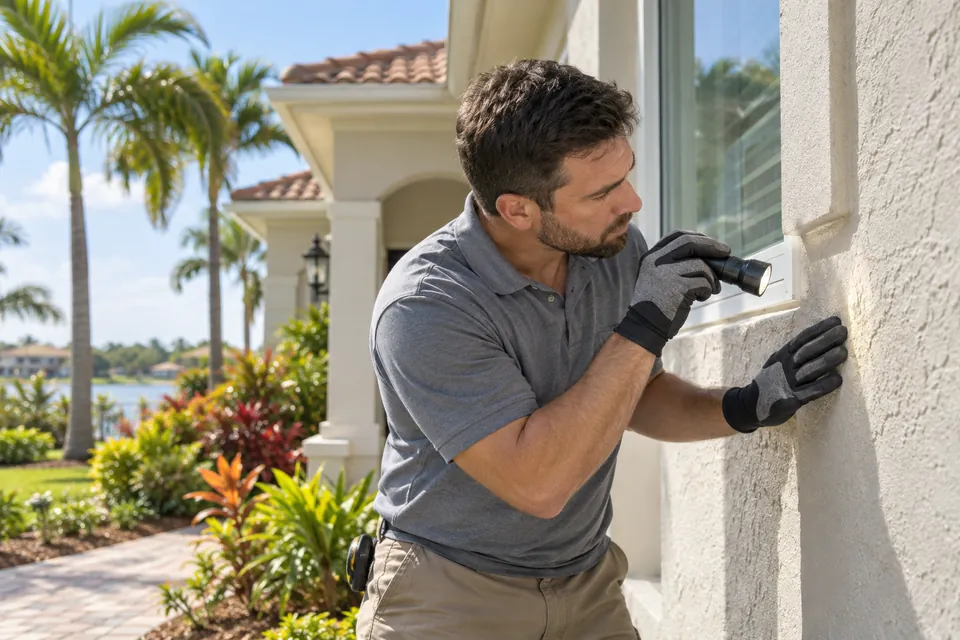

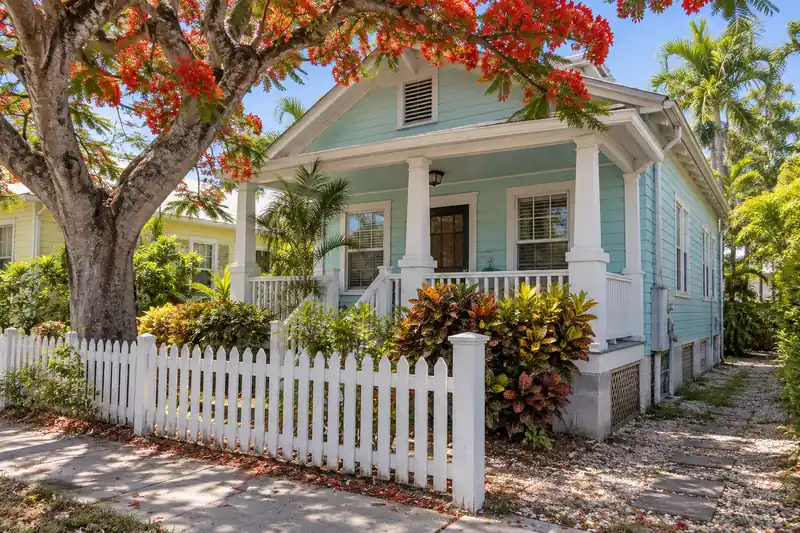

Signs to notice, what an inspection should clarify, and how to prepare.
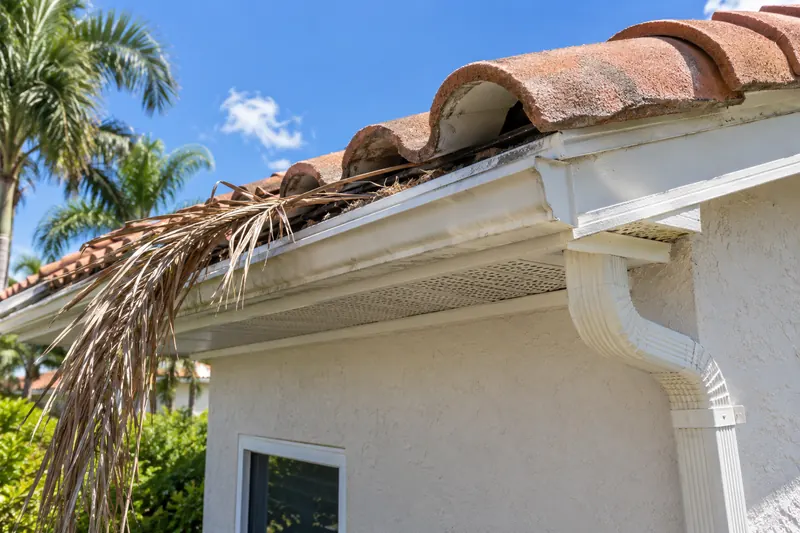
Scratching, droppings or chewed packaging? Start with the animal and its entry route.
Explore this concern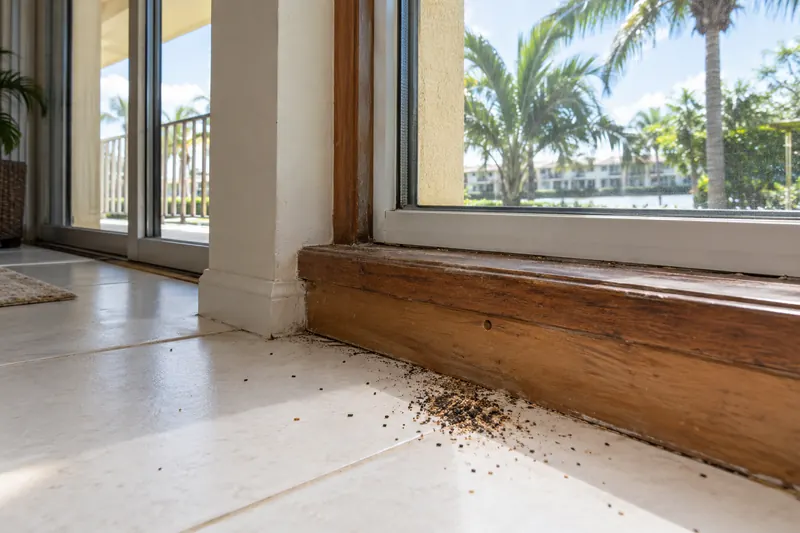
Wood damage, discarded wings or mud tubes need careful identification.
Explore this concern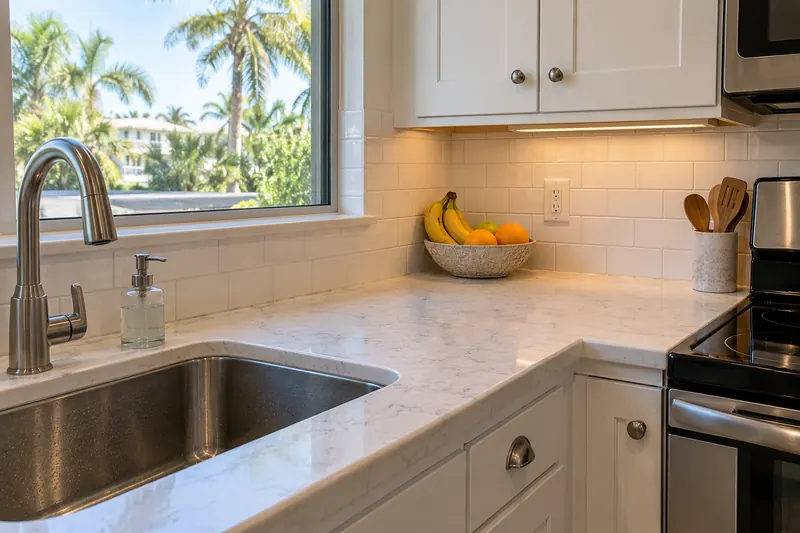
Recurring trails call for species identification and a look beyond the visible ants.
Explore this concern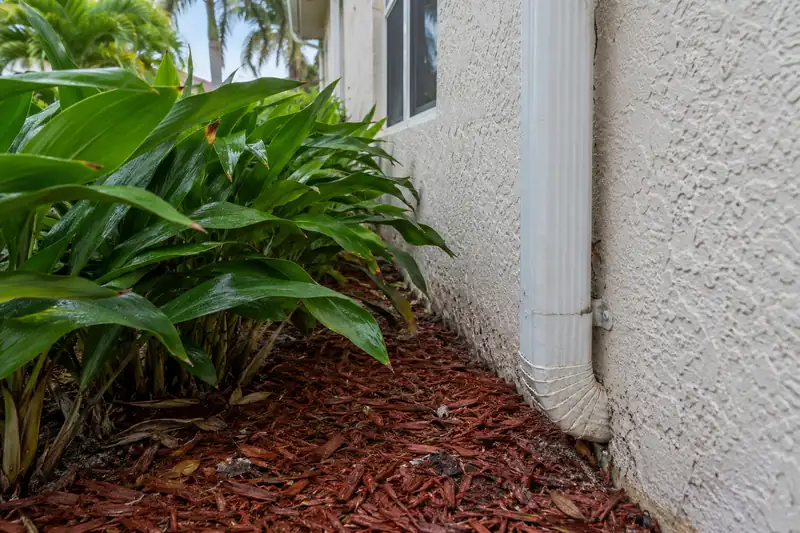
Species, hiding places and moisture help explain recurring indoor activity.
Explore this concern
Look at webs, shelter and the other insects drawing spiders to a space.
Explore this concern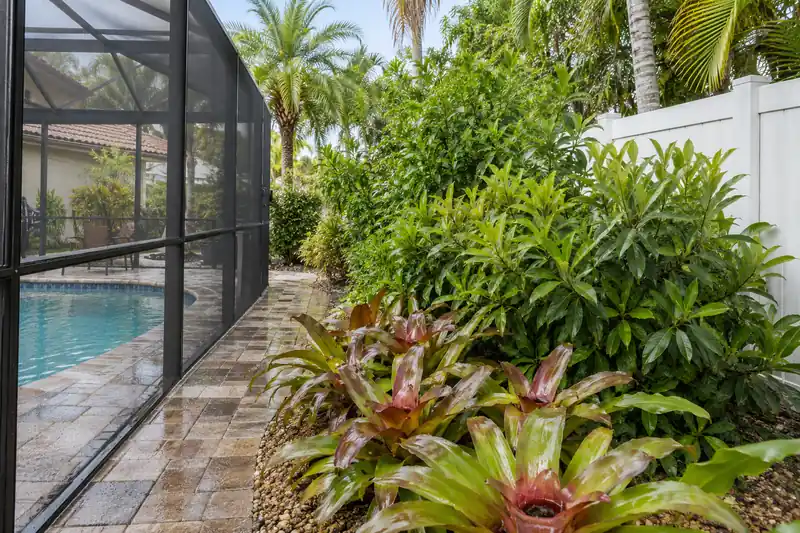
Inspect water sources and the outdoor spaces where activity interrupts daily use.
Explore this concern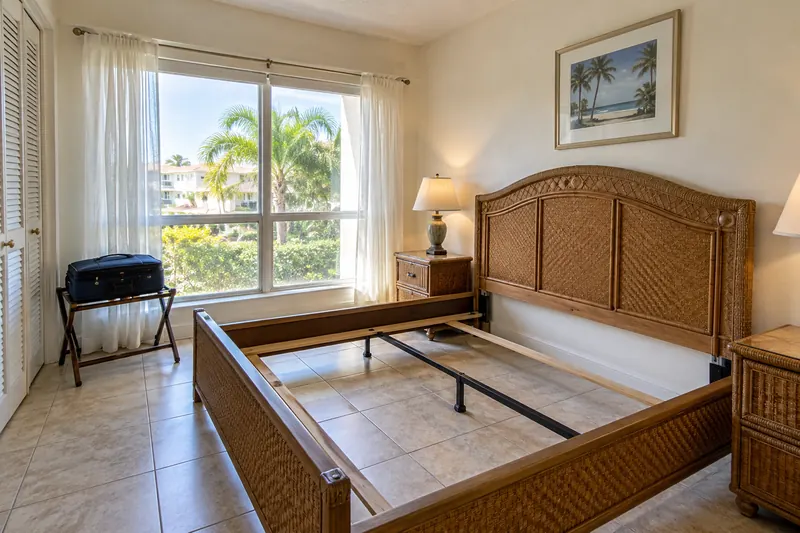
Confirm the evidence before moving belongings or choosing a treatment.
Explore this concern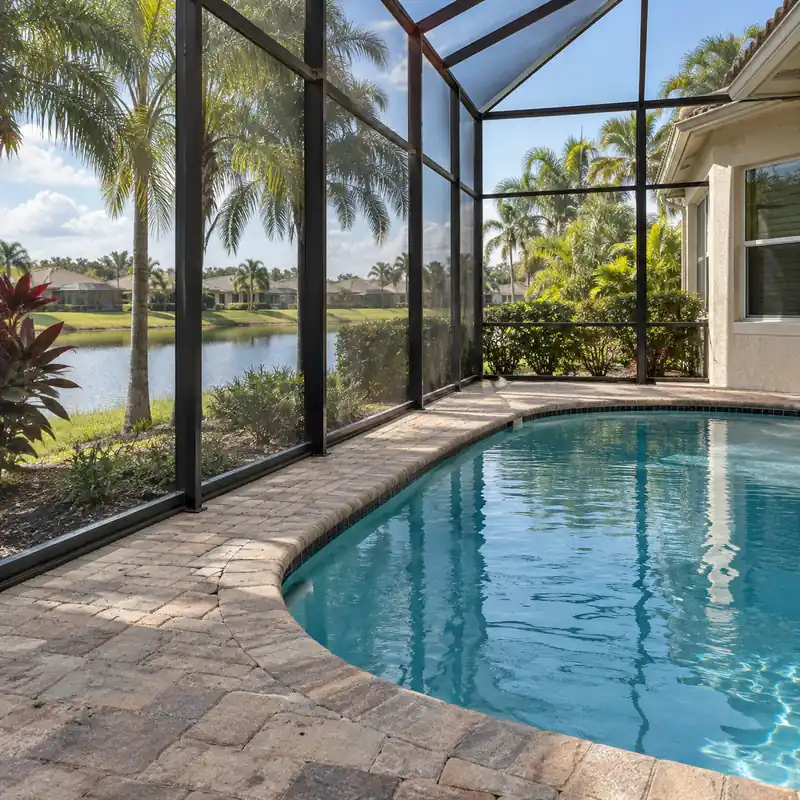
Not sure what you found? Start with the evidence rather than a treatment label.
Explore this concern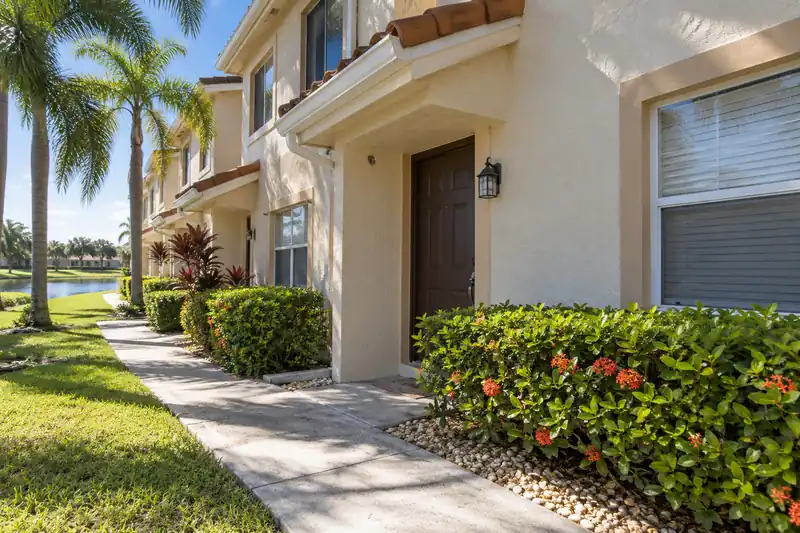
Inside, outside,
and the spaces between.
A lanai, kitchen and landscaped yard each give an inspection a different starting point.
Where outdoors meets indoors.
Note activity around screen seams, door sweeps and lights. Explain whether the same insects also appear in living areas. Screen repairs and pest treatment are separate parts of a plan.
Food, water and hiding places.
Record recurring trails or sightings near cabinets, appliances and leaks. Tell the inspector which spaces are difficult to access before moving heavy items.
Follow the connection outside.
Describe water-holding containers, vegetation touching the house and accessible wood damage. Keep drainage, structural repairs and treatment responsibilities clear.
Requests from Sarasota follow a pattern. The list below covers the pests people ask about most, how they behave locally and what a careful visit looks at first.
Ghost ants, fire ants and carpenter ants are common; ghost ants nest in tiny spaces and follow moisture, and fire ants build mounds in lawns after rain.
Near Siesta Key, local pest problems turn up at the attic hatch before they turn up in the main rooms.
American cockroaches, often called palmetto bugs, move in from landscaping and drains, and German cockroaches live in kitchens and condo buildings.
For local pest problems in Sarasota, the visit starts at the pet door and then follows whatever that shows.
Roof rats climb palms and trees into attics and soffits near the bay and canals, and house mice use gaps around garage doors and plumbing lines.
The local pest problems check in Sarasota covers the block fence and the stored firewood on the same walk-through.
Drywood termites are common along the Gulf Coast, subterranean termites are active in the soil, and swarms usually follow warm spring rains.
Near Gulf Gate, local pest problems turn up at the attic hatch before they turn up in the main rooms.
Bed bugs ride in on luggage and furniture, so seasonal rentals, hotels and condo buildings see the most calls.
Writing down where local pest problems were seen near Bradenton, including the eave gap, makes the Sarasota visit shorter and more exact.
Brown widows and black widows nest in garages, patio furniture and under eaves, and the common wolf and orb weaver spiders are mostly harmless.
For local pest problems in Sarasota, the visit starts at the weep holes and then follows whatever that shows.
Mosquitoes breed in canals, ponds, planters, bromeliads and any standing water, and the wet summer season produces the largest populations.
What decides the local pest problems plan in Sarasota is the building near Lido Key, and the meter box is on that list.
Paper wasps nest under eaves and railings, and mud daubers build on lanais and garage walls.
When wasps are the problem, a visit usually starts with eaves, soffits, porch ceilings, deck undersides and the corners of sheds where paper wasps build open nests.
Fleas thrive in the warm climate, riding in on pets and wildlife and living in carpet and shaded lawn areas.
What decides the local pest problems plan in Sarasota is the building near Lido Key, and the irrigation valve is on that list.
Sarasota has a humid subtropical climate on the Gulf of Mexico: warm, wet summers, mild winters and salt air, so insects stay active all year and homes near the water stay damp.
Homes include mid-century ranches, newer subdivisions toward Lakewood Ranch, and many condos and seasonal homes near Siesta Key, Lido Key and downtown, some of them empty for months at a time.
What decides the local pest problems plan in Sarasota is the building near Longboat Key, and the irrigation valve is on that list.
For local pest problems in Sarasota, the visit starts at the pet door and then follows whatever that shows.
Neighborhoods such as Siesta Key, Lido Key, downtown Sarasota, Southside Village, and Gulf Gate all have their own mix of building age, landscaping and drainage.
Termite swarms follow warm rains, and ants trail indoors as the dry season ends.
In summer
Rainy-season heat brings mosquitoes, cockroaches and wasps.
Fall
Rodents move into attics, and ants and spiders remain active until the first cooler weeks.
Winter activity
The busy season brings seasonal residents back to homes where pests have been undisturbed for months.
What decides the local pest problems plan in Sarasota is the building near Longboat Key, and the meter box is on that list.
The time of year in Sarasota changes the pressure, and local pest problems near Southside Village are still confirmed at the foundation crack.
Pests rarely need much of an opening, and the same few routes show up again and again in Sarasota:
For local pest problems in Sarasota, the visit starts at the pet door and then follows whatever that shows.
Sarasota sits on the Gulf of Mexico, with Sarasota Bay, Siesta Key and Lido Key to the west and mangroves along much of the shoreline.
The year divides into a hot, wet summer and a drier, milder winter.
That rhythm drives the calls. Rain and heat bring ants, roaches and mosquitoes into the open, and the dry months send many pests indoors looking for water.
Lanais, screens and landscaping in Sarasota
A lanai is a gathering place for insects as well as people. Torn screens, gaps at the door track and lights left on after dark all draw them in.
Palms, ficus hedges and mature shade trees touching the roof give roof rats a path to the attic. Trimming back branches by a few feet takes away that bridge.
Canals, mangroves and retention ponds breed mosquitoes in the wet months, and tiny biting midges called no-see-ums gather near the water at dusk. Screens with a fine mesh keep them out of the lanai.
Empty containers, keep gutters clear and run a fan on the lanai in the evening. A professional can treat the resting areas along fences and shrubs.
Pool decks, planters and the base of palm trunks keep cockroaches, ants and brown widows close to the house. Checking those places once a month, with a flashlight, shows trouble early.
Swarms of drywood and subterranean termites are most often noticed after the first warm rains. Pellets under window frames, bubbling paint and soft trim are worth a photograph before any repair.
Condominiums and townhouses share framing, so a finding in one unit may need a check of the neighbouring units as well.
Check the location
before planning a visit.
If you have seen local pest problems near Osprey, leave the soffit gap as you found it and photograph it.
View the postal areasIf you have seen local pest problems near Siesta Key, leave the gable vent as you found it and photograph it.
Near Osprey, local pest problems turn up at the attic hatch before they turn up in the main rooms.
Findings explained
The time of year in Sarasota changes the pressure, and local pest problems near Longboat Key are still confirmed at the foundation crack.
Near Bradenton, local pest problems turn up at the dryer vent before they turn up in the main rooms.
The local pest problems check in Sarasota covers the dishwasher line and the expansion joint on the same walk-through.
Follow-up details
Homes around Southside Village get the local pest problems inspection at the sill plate first, because that is where the activity usually starts.
Start with the details that affect your home.
No. Choose “Not sure yet” and describe the signs, location and timing. A photo can help the discussion without needing to handle the insect.
Tell our technician how the affected spaces are used. Preparation and reentry instructions must match the actual treatment and products.
Yes. Explain whether you own, rent or manage the property and who can authorize access. Activity in shared spaces may require coordination with the property manager.
Do not close up the stored firewood before the inspection for local pest problems in Sarasota, or the useful evidence is gone.
If you have seen local pest problems near Bradenton, leave the gable vent as you found it and photograph it.
The local pest problems check in Sarasota covers the block fence and the stored firewood on the same walk-through.
Local pest problems around downtown Sarasota follow the way the house is built, and the porch step is one of the first places checked.
We take requests from Sarasota, Siesta Key, Lido Key and nearby places such as Bradenton, Venice, and Osprey. Coverage follows the address, and the service area page lists where we work.
Homes around Lido Key get the local pest problems inspection at the bath trap first, because that is where the activity usually starts.
Homes around Lakewood Ranch get the local pest problems inspection at the bath trap first, because that is where the activity usually starts.
Sarasota has a humid subtropical climate on the Gulf of Mexico: warm, wet summers, mild winters and salt air, so insects stay active all year and homes near the water stay damp.
The time of year in Sarasota changes the pressure, and local pest problems near Lakewood Ranch are still confirmed at the window well.
Rodents move into attics, and ants and spiders remain active until the first cooler weeks.